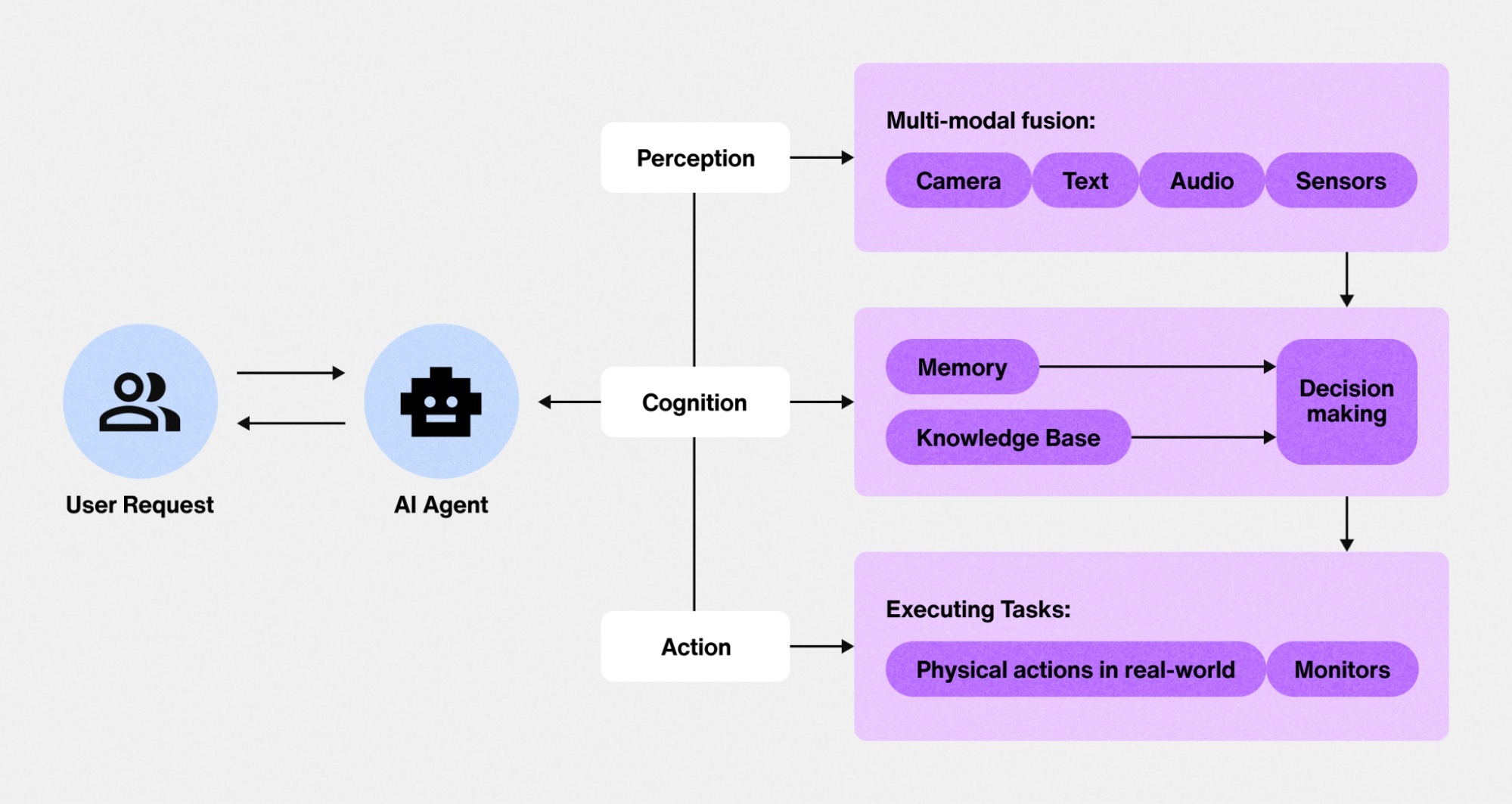
In today’s digital world, Search Engine Optimization (SEO) is essential for ranking websites on Google and growing online businesses. However, SEO writing has changed rapidly in the last few years. One of the biggest changes is the rise of Artificial Intelligence (AI) in content creation. From keyword research to long-form articles, AI tools now help writers, bloggers, and businesses create smarter, faster, and better-optimized content.

What Is AI in SEO Writing?
AI in SEO writing means using artificial intelligence tools to plan, research, structure, and create content that performs well on search engines. These tools learn from large amounts of data, understand search trends, and help writers produce content that matches user intent.
Some popular examples include:
-
AI writing assistants (ChatGPT, Gemini, Jasper)
-
AI keyword research tools (Ahrefs, Semrush, Surfer SEO)
-
AI content optimisation platforms (Frase, Clearscope)
-
AI analytics and SEO audit tools
These tools analyse what people search for, compare top-ranking pages, and guide you to create content that ranks higher with less effort.
Why AI Has Become Important in SEO Writing
The internet has millions of new articles published every day. Google wants to show only the most relevant, helpful, and original content to users. AI helps writers meet these demands by offering:
-
Faster research
-
Better keyword targeting
-
Higher readability
-
Enhanced structure and clarity
-
Content that aligns with search intent
In short, AI helps writers work smarter, not harder, making SEO writing more data-driven and efficient.
How AI Helps You Rank Higher on Google
Below are the top ways AI tools improve SEO performance:
1. AI Helps With Perfect Keyword Research
Keyword research is the backbone of SEO. AI tools can analyse thousands of keywords and identify:
-
Low-competition long-tail keywords
-
High search volume phrases
-
Trending search queries
-
User questions and pain points
For example, tools like Semrush and Ahrefs use AI models to predict ranking difficulty and show which keywords can bring the best traffic.
2. AI Understands Search Intent
Google rewards content that answers user intent clearly. AI tools help classify search intent into:
-
Informational
-
Transactional
-
Navigational
-
Commercial investigation
This helps writers craft content that gives exactly what the reader wants.

3. AI Helps Create Structured, SEO-Friendly Articles
AI suggests headings, subheadings, FAQs, and topic outlines based on what is already ranking on Google. This ensures:
-
Logical flow
-
Proper keyword placement
-
Improved readability
-
Higher chance of ranking in featured snippets
4. AI Improves On-Page SEO
AI tools assist in optimizing:
-
Title tags
-
Meta descriptions
-
URL structure
-
Heading hierarchy
-
Image alt-text
-
Internal and external links
This helps search engines understand and rank your content better.
5. AI Enables Faster Content Production
A human writer may take hours to research and write an article. AI tools can generate ideas, outlines, drafts, and SEO recommendations in minutes. Writers can then refine and polish the content.
This saves time and increases productivity, especially for businesses that need large amounts of content.
Benefits of Using AI in SEO Writing
1. Saves Time and Cost
AI automates repetitive tasks like research, keyword analysis, and content drafting. This reduces workload and allows writers to focus on creativity and accuracy.
2. Produces Consistent Quality Content
AI tools maintain consistent tone, grammar, and formatting, useful for brands and agencies that publish frequently.
3. Improves Readability
AI checks readability scores, grammar, and sentence structure, helping make content easy for readers and search engines.
4. Helps Target Long-Tail Keywords
AI identifies long-tail, low-competition keywords that bring more organic traffic and easier ranking opportunities.
5. Eliminates Guesswork
Traditional SEO involves trial and error. AI provides data-backed suggestions, improving ranking accuracy.

Challenges and Limitations of AI in SEO Writing
While AI is powerful, it does have limitations:
1. AI Cannot Replace Human Creativity
AI can generate content, but it may lack emotion, storytelling, and cultural understanding. Human writers add originality and uniqueness.
2. Risk of Generic or Repetitive Content
If used carelessly, AI may produce similar content as other AI-generated articles, increasing the risk of duplication.
3. Factual Errors
AI tools may generate outdated or incorrect information if not cross-checked.
4. Google’s Stand on AI Content
Google allows AI-generated content as long as it is helpful, original, and user-focused. Poor-quality auto-generated content can still be penalised.
Best Practices for Using AI in SEO Writing (2025 Guide)
To get maximum benefits from AI tools and avoid issues, follow these strategies:
1. Use AI for Support, Not Full Automation
Let AI handle:
-
Research
-
Outlines
-
Keyword ideas
-
SEO checks
But write or refine the main content yourself.
2. Maintain Human Touch
Add:
-
Real examples
-
Case studies
-
Personal experiences
-
Local references
-
Updated statistics
These improve authenticity.
3. Follow E-E-A-T Principles
Google ranks content based on:
-
Experience
-
Expertise
-
Authoritativeness
-
Trustworthiness
Combine AI speed with your subject knowledge for best results.
4. Keep Updating AI-Generated Content
Refresh content every 3–6 months with new data and insights so it stays relevant.
5. Use Multiple AI Tools
Different tools specialise in different tasks. For example:
-
ChatGPT for writing
-
Semrush for keyword research
-
Surfer SEO for optimiser
-
Grammarly for editing
A combination ensures stronger results.
Top AI Tools for SEO Writing in 2025
Here are some of the best AI tools to improve SEO writing:
1. ChatGPT / Gemini / Claude
Great for:
-
Ideas
-
Outlines
-
Drafts
-
Rewriting
2. Surfer SEO
Perfect for:
-
Content optimization
-
On-page SEO scoring
-
Keyword density management
3. Semrush / Ahrefs
Powerful for:
-
Keyword research
-
SERP analysis
-
Competitor insights
4. Frase
Ideal for:
-
Content briefs
-
SEO-rich outlines
-
FAQ generation
5. Grammarly / Quillbot
Useful for:
-
Editing
-
Grammar checks
-
Paraphrasing
These tools make your workflow faster, smarter, and more accurate.

Future of AI in SEO Writing
The future of SEO writing will become more AI-driven. Here’s what you can expect:
1. Smarter Personalisation
AI will create content tailored to individual user behaviour.
2. Voice Search Optimisation
As voice search grows, AI will help optimize content for conversational queries.
3. Real-Time SEO Suggestions
AI tools will analyze search results instantly and give real-time recommendations.
4. Fully Automated Content Pipelines
Businesses may use AI to automate everything from keyword research to publishing.
Conclusion: Should You Use AI for SEO Writing?
Yes — AI has become essential for staying competitive online. It saves time, boosts rankings, and helps produce quality content faster. However, the best results come when AI and human creativity work together.
AI gives you direction, data, and structure.
Humans add originality, emotion, and trust.
If you use AI wisely—without relying on it blindly—you can create high-ranking, SEO-optimized content that stands out on Google.
FAQ: AI in SEO Writing (2025 Guide)
1. What is AI in SEO writing?
AI in SEO writing means using artificial intelligence tools to research keywords, analyse competitors, create outlines, optimize content, and improve ranking on Google. AI helps writers create high-quality, search-friendly content faster.
2. Can AI write SEO content?
Yes. AI can create SEO-friendly drafts, headlines, descriptions, and outlines. But humans should edit the final content to add originality, accuracy, and real examples.
3. Is AI-generated content allowed by Google?
Yes. Google allows AI content as long as it is helpful, original, accurate, and user-focused. Google only penalizes low-quality, spammy, or duplicate AI content.
4. How does AI help in keyword research?
AI tools analyse thousands of keywords to find low-competition long-tail keywords, search intent, trending topics, and ranking difficulty. This helps writers choose the best keywords for faster ranking.
5. Will AI replace human SEO writers?
No. AI supports writers but cannot replace human creativity, cultural understanding, emotions, or real-world experience. The best SEO content combines AI efficiency + human expertise.
6. What are the best AI tools for SEO writing?
Top tools include:
-
ChatGPT / Gemini / Claude (writing + ideas)
-
Surfer SEO (content optimization)
-
Semrush / Ahrefs (keyword research)
-
Frase (content briefs)
-
Grammarly (editing)
7. Is AI-generated content good for ranking?
Yes, AI-generated content can rank well if it is:
-
Helpful
-
Well-structured
-
Optimized for search intent
-
Edited by a human
-
Updated regularly
AI + human editing = best ranking results.
8. How does AI improve on-page SEO?
AI tools help with:
-
Title optimization
-
Meta descriptions
-
Keyword placement
-
Heading structure
-
Internal linking
-
Image alt-text
-
Readability
References
-
Google Search Central – Helpful Content Guidelines
Google. Helpful Content System Documentation.
https://developers.google.com/search/docs/specialty/ecommerce/creating-helpful-content -
Google Search Essentials (Formerly Webmaster Guidelines)
Google. Search Essentials.
https://developers.google.com/search/docs/essentials -
Google on AI-Generated Content
Google Search Central Blog. Google’s Guidance on AI Content.
https://developers.google.com/search/blog -
Semrush Keyword Research Guide
Semrush. How to Do Keyword Research for SEO.
https://www.semrush.com/blog/keyword-research -
Ahrefs SEO Basics & Keyword Tools
Ahrefs. SEO Beginner’s Guide.
https://ahrefs.com/blog/seo-basics -
Surfer SEO Official Documentation
Surfer SEO. Content Optimization Guide.
https://surferseo.com/blog -
HubSpot Blog – AI in Content Marketing
HubSpot. How AI Is Transforming Content Marketing.
https://blog.hubspot.com/marketing -
Forbes Technology Council – AI in SEO
Forbes. How AI Changes SEO and Digital Marketing.
https://www.forbes.com/sites -
Search Engine Journal (SEJ)
SEJ. Latest Trends in AI for SEO.
https://www.searchenginejournal.com -
Search Engine Land (SEL)
Search Engine Land. AI Tools and Their Impact on SEO.
https://searchengineland.com