In today's fast-paced business environment, small businesses need to optimize their operations to stay competitive. One effective way to achieve this is by leveraging AI tools to automate workflows, thereby enhancing productivity and efficiency.

By adopting AI-driven workflow automation, small businesses can streamline their processes, reduce manual errors, and free up resources for more strategic tasks. This not only improves operational efficiency but also enables businesses to respond quickly to changing market conditions.
Key Takeaways
- AI tools can significantly enhance small business productivity.
- Workflow automation reduces manual errors and improves efficiency.
- Small businesses can gain a competitive edge through AI-driven automation.
- AI tools help in streamlining business operations.
- Automation enables businesses to respond quickly to market changes.
The Evolution of Business Automation
The journey of business automation from manual processes to sophisticated AI-powered solutions is remarkable. Historically, businesses relied heavily on manual labor for various tasks, from data entry to customer service. However, with technological advancements, companies have gradually adopted automation to streamline their operations.
Click For More Useful Resource
From Manual Processes to AI-Powered Solutions
The shift from manual processes to AI-powered solutions has been transformative. Automation technologies have enabled businesses to reduce errors, increase efficiency, and lower operational costs. Initially, automation focused on simple tasks like data processing. Today, AI and machine learning have expanded automation capabilities to complex tasks, including predictive analytics and customer service chatbots.
AI-powered solutions have become increasingly sophisticated, allowing businesses to automate tasks that previously required human intelligence. This evolution has not only improved productivity but also enabled companies to make data-driven decisions.
Why Small Businesses Need Automation in 2026
In 2023, small businesses need automation to remain competitive. Automation in 2026 is no longer a luxury but a necessity for businesses aiming to scale efficiently. By adopting AI-powered automation, small businesses can enhance customer experience, reduce operational costs, and improve productivity.
Click For More Useful Resource
Moreover, automation allows small businesses to focus on strategic growth initiatives rather than being bogged down by mundane tasks. As the business landscape continues to evolve, embracing automation will be crucial for small businesses to stay ahead of the curve.
AI Tools for Small Business Workflow Automation: An Overview
Small businesses are on the cusp of a new era with AI tools that automate workflows, enhancing efficiency and productivity. As we explore the landscape of AI-powered workflow automation, it's essential to understand its definition, its differences from traditional automation, and the advantages it offers to small businesses.
Click For Additional Important Resource
Defining AI-Powered Workflow Automation
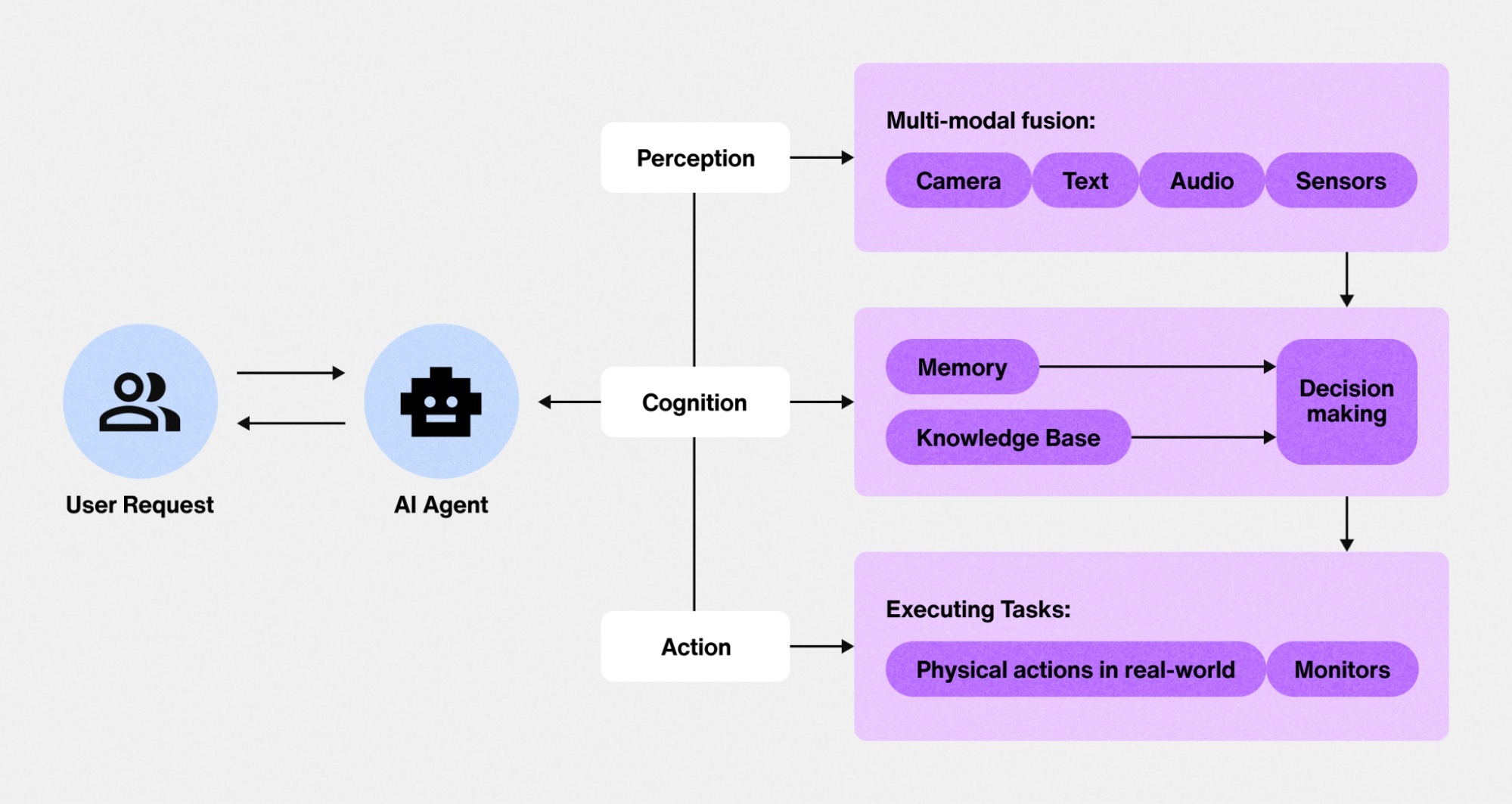
AI-powered workflow automation refers to the use of artificial intelligence technology to automate complex business processes. This involves using machine learning algorithms and natural language processing to analyze data, make decisions, and perform tasks without human intervention. By automating workflows, businesses can streamline operations, reduce manual errors, and improve overall efficiency.
The beauty of AI-powered automation lies in its ability to learn and adapt over time. As more data becomes available, the system can refine its processes, making it an invaluable tool for businesses looking to scale.
https://www.youtube.com/watch?v=zAziOOvehoA
How AI Differs from Traditional Automation
Traditional automation typically involves rule-based systems that perform repetitive tasks based on predefined criteria. In contrast, AI-powered automation can handle complex, dynamic processes that require decision-making and adaptability. This means AI can automate tasks that were previously thought to be too complicated or variable for traditional automation methods.
Moreover, AI-powered automation can integrate with various systems and data sources, providing a more holistic view of business operations and enabling more informed decision-making.
The Small Business Advantage
For small businesses, AI-powered workflow automation offers a unique opportunity to level the playing field with larger competitors. By automating routine tasks, small businesses can free up resources to focus on strategic growth initiatives and improving customer experiences. Additionally, AI-driven insights can help small businesses make data-driven decisions, enhancing their agility and competitiveness in the market.
By embracing AI-powered workflow automation, small businesses can not only streamline their operations but also position themselves for long-term success in an increasingly competitive landscape. Click For Useful Resource
Key Benefits of Implementing AI Automation
The integration of AI automation is a game-changer for small businesses, offering multiple advantages that can significantly enhance their operational efficiency and competitiveness. By automating routine tasks, small businesses can free up valuable resources, allowing them to focus on strategic growth initiatives.
Time and Cost Efficiency
One of the primary benefits of AI automation is its ability to save time and reduce costs. Automated processes can operate around the clock without breaks, significantly increasing productivity. For instance, AI-powered chatbots can handle customer inquiries 24/7, reducing the need for a large customer support team.
- Automated data entry reduces manual labor and minimizes errors.
- AI-driven scheduling tools optimize resource allocation and reduce waste.
- Streamlined processes lead to faster turnaround times and improved customer satisfaction.
Error Reduction and Quality Improvement
AI automation not only saves time but also improves the quality of work by reducing errors. Automated systems can perform tasks with a high degree of accuracy, which is particularly important in industries where precision is crucial.
- Automated bookkeeping and accounting systems that minimize financial discrepancies.
- AI-powered quality control systems that detect defects in real-time.
Scalability and Business Growth
AI automation provides small businesses with the scalability they need to grow. As the business expands, automated systems can handle increased workloads without the need for proportional increases in staff or resources.
This scalability is crucial for small businesses looking to expand their operations. By leveraging AI automation, businesses can:
- Handle increased customer inquiries without a proportional increase in staff.
- Process larger volumes of data and transactions efficiently.
- Adapt to changing market conditions more quickly.
By embracing AI automation, small businesses can position themselves for sustainable growth and long-term success.
Essential Administrative AI Tools for Small Businesses
Administrative AI tools are revolutionizing the way small businesses manage their daily tasks, enhancing efficiency and productivity. These tools are designed to automate routine administrative tasks, allowing small business owners to focus on strategic decisions and growth. Click For Resource

Email and Communication Automation
Email and communication automation is a crucial aspect of administrative AI tools. By automating email sorting, response, and meeting scheduling, small businesses can significantly reduce the time spent on these tasks.
Smart Email Sorting and Response Tools
Smart email sorting and response tools use AI to categorize incoming emails, prioritize them based on importance, and even draft responses. This not only saves time but also ensures that critical emails are addressed promptly.
Meeting Scheduling and Calendar Management
AI-powered meeting scheduling and calendar management tools can automate the process of scheduling meetings, sending reminders, and updating calendars. This reduces the administrative burden and minimizes scheduling conflicts.
Document Processing and Management
Document processing and management are other areas where AI tools can significantly benefit small businesses. By automating data extraction and document organization, businesses can improve their efficiency and reduce errors.
Automated Data Extraction
Automated data extraction tools use AI to extract relevant information from documents, such as invoices, receipts, and contracts. This information can then be automatically entered into the business's systems, reducing manual data entry and the risk of errors.
Smart Document Organization
Smart document organization tools can categorize and store documents in a way that makes them easily accessible. This not only improves document management but also enhances collaboration within the team.
By leveraging these administrative AI tools, small businesses can streamline their operations, improve productivity, and gain a competitive edge in their respective markets.
AI-Powered Marketing and Sales Solutions
In today's digital landscape, AI-powered marketing and sales solutions are revolutionizing the way small businesses operate. By leveraging advanced technologies, small businesses can now streamline their marketing efforts, enhance customer engagement, and drive sales growth.
Content Creation and Social Media Management
AI tools are transforming content creation and social media management for small businesses. These tools enable companies to produce high-quality content, schedule posts, and engage with their audience more effectively.
AI Copywriting Tools
AI copywriting tools are becoming increasingly popular among small businesses. These tools use natural language processing to generate compelling content, such as blog posts, social media updates, and product descriptions.
Automated Posting and Engagement
Automated posting and engagement tools help small businesses maintain a consistent social media presence. By scheduling posts in advance and using AI-driven engagement strategies, businesses can save time and increase their online visibility.
Customer Relationship Management
AI-powered Customer Relationship Management (CRM) systems are helping small businesses build stronger relationships with their customers. These systems analyze customer data to provide personalized insights and recommendations.
Lead Generation and Qualification
AI-driven lead generation and qualification tools are enabling small businesses to identify and prioritize high-quality leads more effectively. By analyzing customer behavior and preferences, these tools help businesses focus their sales efforts on the most promising opportunities.
By embracing AI-powered marketing and sales solutions, small businesses can gain a competitive edge in today's fast-paced business environment. As these technologies continue to evolve, we can expect to see even more innovative applications in the future.
Financial and Operational Automation Tools
In today's fast-paced business environment, leveraging AI-powered financial and operational automation tools is crucial for small businesses to stay competitive. These tools not only streamline financial and operational tasks but also provide valuable insights that can inform business decisions.
Accounting and Bookkeeping Solutions
AI-driven accounting and bookkeeping solutions are transforming the way small businesses manage their financial records. These solutions offer advanced features such as automated data entry, reconciliation, and compliance management.
Automated Invoice Processing
Automated invoice processing eliminates the need for manual data entry, reducing errors and increasing efficiency. AI-powered systems can extract relevant information from invoices, match them with purchase orders, and flag discrepancies for review.
Expense Tracking and Categorization
Expense tracking and categorization have become more accurate with AI-powered tools. These systems can automatically categorize expenses, detect anomalies, and provide real-time visibility into business expenditures.
Inventory and Supply Chain Management
Effective inventory and supply chain management are critical for maintaining a competitive edge. AI-powered tools can forecast demand, optimize inventory levels, and streamline supply chain operations.
For instance, a small retail business can use AI-driven inventory management to predict seasonal demand fluctuations and adjust their stock accordingly. This not only reduces waste but also ensures that the business is well-stocked during peak periods.
Payment Processing and Cash Flow Optimization
AI-powered payment processing and cash flow optimization tools can significantly improve a small business's financial health. These tools can predict cash flow, identify potential bottlenecks, and optimize payment schedules.
Here's a comparison of traditional payment processing versus AI-powered payment processing:
| Feature | Traditional Payment Processing | AI-Powered Payment Processing |
|---|---|---|
| Processing Time | Manual, time-consuming | Automated, real-time |
| Error Rate | Higher due to manual entry | Lower due to automated processing |
| Cash Flow Management | Reactive, based on historical data | Proactive, with predictive analytics |

Implementation Strategies for Small Businesses
The key to successful AI automation lies in effective implementation strategies. For small businesses, this means understanding their unique needs and challenges.
Assessing Your Automation Needs
Before diving into AI automation, it's crucial to assess your business needs. Identify repetitive tasks, bottlenecks, and areas where efficiency can be improved. Consider the following:
- Processes that consume a lot of time
- Tasks prone to human error
- Areas where data analysis can inform better decision-making
Prioritizing tasks based on their impact on your business is essential. Focus on automating processes that will have the most significant effect on your operations.
Selecting the Right Tools for Your Business
With numerous AI tools available, selecting the right ones can be daunting. Consider tools that integrate well with your existing systems and offer scalability. Key factors include:
- Ease of use and minimal training requirements
- Compatibility with your current infrastructure
- Customer support and service agreements
As noted by industry experts, "Choosing the right automation tool is not just about the technology; it's about how well it fits your business needs."
"The future of business automation is not just about technology; it's about people and processes."
Training and Change Management
Implementing AI automation requires more than just technology; it demands a cultural shift within the organization. Training and change management are critical to ensure a smooth transition. This includes:
- Educating employees on the benefits and use of AI tools
- Providing ongoing support and training
- Managing the change process to minimize disruption
By focusing on these areas, small businesses can effectively implement AI automation and reap its benefits.
Overcoming AI Automation Challenges
The journey to AI automation is not straightforward; small businesses face several hurdles along the way. As they adopt AI-powered solutions, they must address key challenges that can impact the success of their automation efforts.
Budget Considerations and ROI Analysis
One of the primary challenges is budget considerations. Implementing AI automation requires significant upfront investment. To overcome this, businesses should conduct thorough ROI analysis to justify the costs and ensure that the benefits outweigh the expenses. Key areas to consider include:
- Initial investment costs
- Ongoing maintenance expenses
- Potential cost savings through increased efficiency
Integration with Existing Systems
Another significant challenge is integrating AI automation with existing systems. To address this, businesses should:
- Assess their current infrastructure
- Choose AI tools that are compatible with their existing systems
- Develop a strategic integration plan
This will help ensure a seamless transition to AI-powered automation.
Data Security and Privacy Concerns
Data security and privacy are critical concerns when implementing AI automation. Businesses must ensure that their AI solutions are designed with robust security measures to protect sensitive data. This includes:
- Implementing encryption
- Conducting regular security audits
- Ensuring compliance with relevant data protection regulations
By understanding and addressing these challenges, small businesses can successfully implement AI automation and reap its benefits.
Conclusion
As we've explored throughout this article, AI tools are revolutionizing small business workflow automation, offering a wide range of benefits that can transform operations. By leveraging AI-powered solutions, small businesses can streamline processes, reduce costs, and improve overall efficiency.
The key to successful implementation lies in understanding the specific needs of your business and selecting the right AI tools to meet those needs. With the right approach, small businesses can unlock the full potential of AI-driven automation, driving growth and competitiveness in an increasingly complex market.
As you consider adopting AI tools for your small business, remember that the journey towards automation is a step towards a more streamlined, efficient, and competitive operation. By embracing AI-powered workflow automation, you can position your business for long-term success and stay ahead of the curve in today's fast-paced business landscape.


No comments:
Post a Comment