Introduction
The film industry is experiencing a fundamental shift as artificial intelligence integrates into every stage of movie production. From scriptwriting and casting to visual effects and editing, AI is enhancing creative processes and improving efficiency. This marks the world’s first AI-powered movie revolution, where technology and human creativity collaborate to reshape filmmaking permanently.
Filmmakers now have access to tools that streamline complex tasks, allowing for faster decision-making and new forms of storytelling previously impossible. AI's ability to analyze vast data sets and generate realistic visuals or dialogue is changing how movies are made and experienced by audiences worldwide.

This transformation is not just a trend but a lasting change influencing the entire industry. As AI continues to evolve, it holds the potential to unlock new artistic possibilities while redefining traditional roles within film production.

The Rise of AI-Powered Filmmaking
Artificial intelligence has reshaped filmmaking by automating complex tasks and offering new creative tools. Its evolution in cinema spans foundational experiments, breakthrough projects, and cutting-edge technologies that redefine production.
Origins of AI Integration in Cinema
AI’s first roles in film were primarily technical. Early applications focused on automating visual effects, editing, and sound design to reduce manual labor.
Researchers experimented with machine learning algorithms for CGI enhancements in the 2000s. This gradually expanded to script analysis and audience preference prediction.
These initial steps showed potential for productivity gains. However, AI then remained a supporting tool rather than a creative partner in filmmaking.
Pioneering Projects and Innovations
The last few years introduced projects pushing AI beyond routine tasks. Films generated significant portions of script, visuals, or editing through AI-driven systems.
Notable examples include AI-assisted narrative development and camera work guided by algorithms to simulate complex movements. Events like AI film production showcases have demonstrated AI’s role in generating both story and technical elements.
These innovations highlight a shift. AI now collaborates in storytelling, not just workflow, blurring human and machine contributions in filmmaking.
Key Advancements in AI Technology
Recent AI developments integrate natural language processing, computer vision, and generative models tailored for filmmaking needs.
Tools that turn simple text prompts into dynamic video content mark a major step forward. Machine learning models analyze vast datasets to predict what content will engage audiences.
AI-enhanced editing platforms speed up post-production by automating frame selection and color grading. These advances improve efficiency and open new creative possibilities in every stage of film production.
Transforming Pre-Production With Artificial Intelligence
Artificial intelligence is reshaping critical early filmmaking steps by improving script creation, optimizing cast selection, and refining budgeting methods. These technologies reduce time and costs while enhancing decision quality. The impact is measurable across creativity, efficiency, and financial control.
Scriptwriting Automation
AI tools analyze existing scripts and datasets to generate plot ideas, dialogue, and character development. This automation accelerates initial drafts and offers multiple story alternatives. It can identify narrative gaps or inconsistencies, supporting writers in refining their work.
By using AI, filmmakers reduce the manual labor in early scriptwriting, freeing writers to focus on creativity. Some platforms even predict audience reactions to specific story elements, aiding in tailored storytelling.
AI-Driven Casting Solutions
Artificial intelligence evaluates actors’ past performances, social media presence, and audience appeal to recommend ideal cast members. This data-driven approach streamlines the casting process, reducing time spent on auditions.
AI also analyzes chemistry between actors through virtual simulations, supporting directors in selecting cohesive ensembles. By integrating demographic and market trends, it helps ensure casting decisions align with audience expectations.
Predictive Analytics for Budgeting
AI applies predictive models to estimate production costs with high accuracy. It factors in location expenses, equipment needs, and workforce hours, forecasting possible overruns. This enables producers to optimize resource allocation early.
Such analytics monitor real-time budget data during pre-production planning, alerting teams to financial risks. The improved precision supports more strategic investment and reduces costly surprises during filming.

Enhancing Film Production Through Automation
Automation powered by AI is changing how films are created by improving efficiency, reducing errors, and enabling new creative approaches. Key innovations include digital camera work, smart project management, and directing support that optimize resources and streamline decision-making.
Virtual Cinematography
Virtual cinematography uses AI to simulate camera movements, lighting, and angles within digital environments. This technology allows filmmakers to visualize complex scenes before physical shooting, saving both time and budget.
AI algorithms analyze scene requirements and recommend optimal shots, helping directors and cinematographers experiment with framing without costly setup changes. It also enables realistic rendering of environments and characters, especially in CGI-heavy productions.
Virtual cinematography often integrates with motion capture and real-time rendering tools, making it possible to tweak visuals on the fly. This flexibility enhances visual storytelling by offering precision and creative control beyond traditional methods.
Intelligent Scheduling Systems
Intelligent scheduling systems apply AI to manage the logistics of film production. These systems optimize the allocation of cast, crew, locations, and equipment by analyzing numerous variables including availability, budget, and weather.
They automatically generate shooting schedules that minimize downtime and reduce conflicts, increasing overall productivity. By adapting to changes in real time, these systems allow productions to adjust plans efficiently when unexpected delays or issues arise.
Additionally, intelligent scheduling tools track progress and resource usage, providing data-driven insights to producers. This transparency helps keep projects within deadlines and financial limits, addressing one of the biggest challenges in filmmaking.
AI-Assisted Directing
AI-assisted directing supports filmmakers by providing data-driven recommendations during production. This includes scene composition advice, pacing suggestions, and even mood analysis based on script and footage.
Directors can use AI tools to test multiple creative options quickly, such as different cuts or narrative structures, before finalizing decisions. This reduces guesswork and improves consistency throughout the film.
Moreover, AI can analyze audience reactions from test screenings, helping directors refine scenes to enhance emotional impact. While it does not replace human intuition, AI offers objective insights that contribute to more informed creative choices.
Revolutionizing Post-Production Using AI
AI in post-production accelerates workflows, improves precision, and expands creative options. It enables filmmakers to automate routine tasks, enhance visual effects, and apply color grading with greater speed and accuracy.
Automated Editing Tools
AI-driven editing software analyzes raw footage to identify key moments like dialogue, action sequences, or emotional expressions. It can then assemble preliminary cuts, significantly reducing the time editors spend on sorting and organizing.
These tools also suggest edits based on pacing, style, and narrative flow, allowing editors to focus on creative decisions instead of technical details. Automation helps meet tight deadlines and cuts down on costly labor hours.
Additionally, AI can support multi-camera synchronization and generate metadata tags, making content easier to search and manage. This improves collaboration among post-production teams and streamlines revisions.

Visual Effects and CGI Innovation
AI enhances visual effects by automating complex processes such as rotoscoping, tracking, and background replacement. This reduces manual frame-by-frame work traditionally required in CGI.
Machine learning models can generate realistic textures, simulate natural phenomena, and predict how elements interact within a scene. These technologies allow artists to create more sophisticated effects with less time and fewer resources.
Moreover, AI supports real-time feedback during effects creation. Artists can experiment and iterate faster, improving quality while maintaining production schedules.
Real-Time Color Grading
AI-powered color grading tools analyze footage to apply consistent and precise color correction automatically. They can match colors across scenes and adapt looks to fit a director’s vision without extensive manual adjustment.
Real-time processing enables immediate preview of different color styles on set or in editing suites. This accelerates decision-making and reduces the need for multiple grading sessions.
Such technology also assists with restoring or enhancing footage quality, balancing exposure, and correcting color casts, improving the final product’s visual coherence.
Personalizing Viewer Experience With AI
AI significantly reshapes how audiences engage with movies by tailoring content and features to individual preferences and needs. It enhances recommendations, adapts storytelling methods, and improves accessibility, making viewing more intuitive and inclusive.
Dynamic Content Recommendations
AI analyzes extensive viewer data such as watch history, genre preferences, and engagement patterns to generate highly personalized movie suggestions. These recommendations continuously evolve in real time, adjusting as viewer behavior changes.
Platforms use machine learning algorithms to identify subtle interests, which increases the relevance of content presented. This reduces the time viewers spend searching and boosts user satisfaction by prioritizing films that align closely with their tastes.
The system also considers contextual factors like time of day and device type to optimize suggestions, creating a seamless and efficient discovery process.
Interactive Storytelling Technologies
Artificial intelligence enables the creation of movies that adapt based on audience decisions, allowing for dynamic plot developments. This technology transforms passive viewing into an active, personalized experience.
Viewers can influence story outcomes, character arcs, or even pacing through interface choices, which AI processes in real time to deliver tailored narrative branches. This interaction maintains engagement by providing unique experiences for different users.
Filmmakers use AI tools to design complex story trees and predict viewer choices, making interactive films scalable and technically feasible beyond traditional branching methods.
AI-Enhanced Accessibility Features
AI improves accessibility by automatically providing features such as real-time captions, audio descriptions, and language translations. It adapts content for viewers with hearing, vision, or cognitive impairments effortlessly.
Advanced speech recognition and natural language processing create accurate subtitles and describe scenes, enhancing inclusivity. These features adjust dynamically, considering viewer preferences and environmental conditions like background noise.
Such AI-powered tools facilitate compliance with accessibility standards and broaden the audience base without extensive manual effort.
Impact on Creative Roles and Industry Dynamics
Artificial intelligence is changing how creative tasks are divided and performed in filmmaking. It influences the skills filmmakers need, how AI tools work alongside human creativity, and the strategies studios adopt to remain competitive.
Evolving Role of Filmmakers
Filmmakers are shifting from traditional hands-on creators to directors and supervisors of AI-assisted processes. AI handles tasks like script analysis, visual effects generation, and editing automation, enabling filmmakers to focus on narrative and conceptual decisions.
This evolution requires filmmakers to gain technical literacy in AI tools. They must understand AI capabilities and limitations to effectively guide AI outputs. The role becomes more about collaboration with technology than manual execution.
New skill sets include data interpretation, AI prompt crafting, and oversight of machine-generated content. These changes demand ongoing adaptation and learning as AI tools rapidly advance.
Collaborations Between AI and Human Creativity
AI acts as a creative partner by generating concepts, visual elements, and soundscapes. It accelerates ideation and production stages without replacing human intuition or emotional nuance.
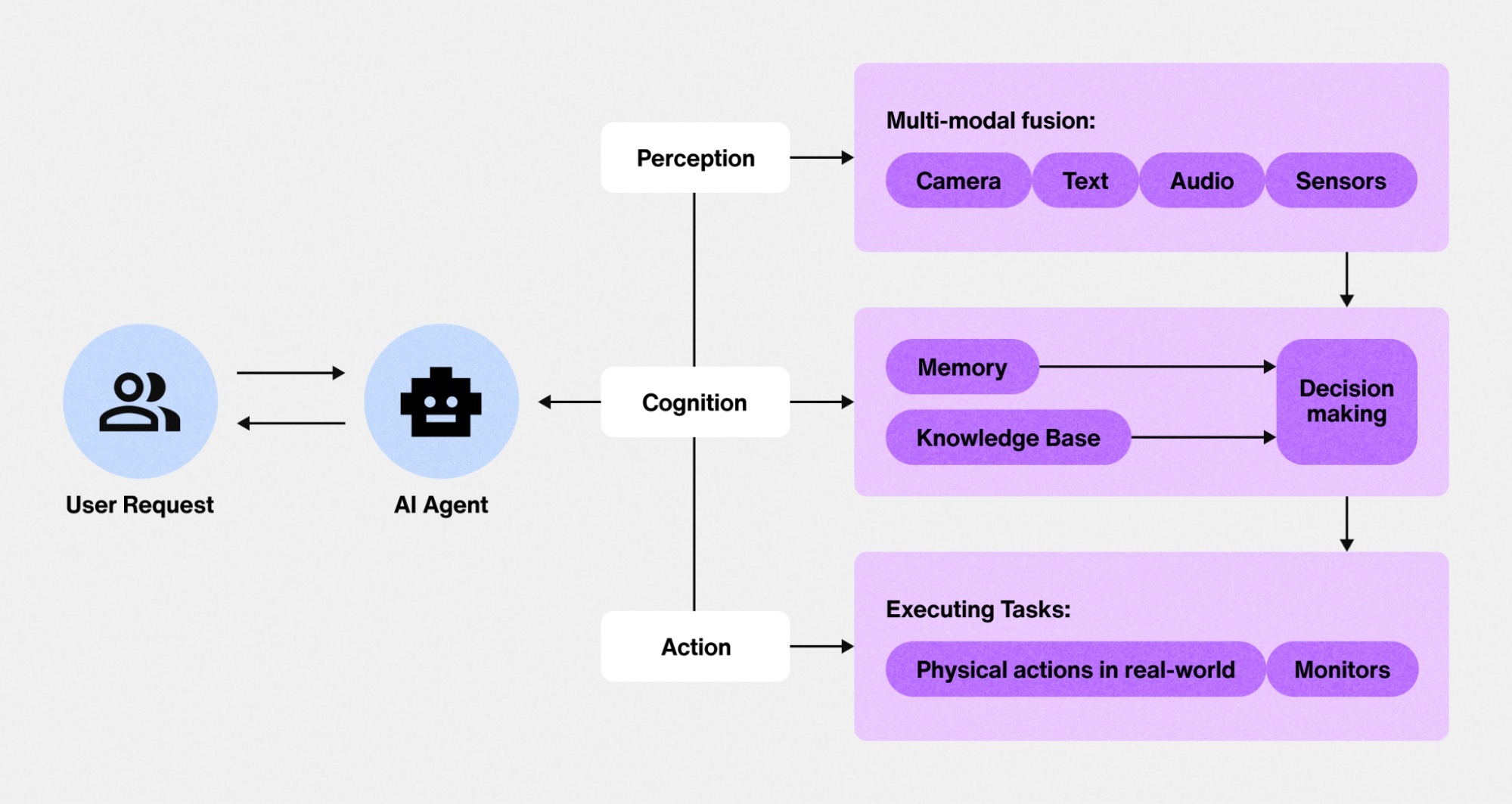
This collaboration often follows a feedback loop where AI produces multiple versions, and humans evaluate and refine the results. It expands creative possibilities while maintaining human storytelling at the core.
.png)
AI tools help democratize creative input, enabling smaller teams or independent creators to compete with larger studios. However, human oversight remains essential to preserve artistic intent and ethical standards.
Shifts in Studio and Production Company Strategies
Studios are integrating AI to optimize production schedules, budget management, and audience targeting. AI-driven analytics predict market trends and viewer preferences more accurately.
Production companies invest in AI technologies to streamline workflows and reduce costs. Some prioritize in-house AI development, while others form partnerships with tech firms.
Strategically, studios balance automation with creative control to avoid quality dilution. They also address ethical concerns linked to AI use, such as job displacement and intellectual property rights, shaping new corporate policies.
Ethical Considerations and Future Prospects
Artificial intelligence in filmmaking introduces complex ethical questions that impact creative fairness, legal rights, and environmental responsibility. These challenges demand careful scrutiny to ensure AI tools support the industry without unintended harm or exploitation.
Bias and Representation in AI-Generated Content
AI systems reflect the data they are trained on, which can embed existing societal biases in content creation. This may lead to skewed portrayals of gender, race, and culture in AI-generated scripts, casting, or visual effects.
Filmmakers and AI developers must prioritize diverse and inclusive data sets to avoid perpetuating stereotypes. Transparent algorithms and regular audits can help identify bias. Ensuring fair representation in AI content protects the creative integrity and inclusivity of storytelling.
Intellectual Property Challenges
AI's role in generating scripts, music, and visuals raises legal questions over ownership and copyright. Determining who holds rights—the AI developers, users, or original data creators—is often unclear.
This ambiguity complicates licensing, profit distribution, and potential lawsuits. The film industry needs evolving legal frameworks that address these challenges explicitly. Clear guidelines can protect artists' rights while encouraging innovation in AI-driven creativity.
Sustainable Filmmaking and AI
AI offers tools to reduce waste and energy consumption in film production, such as virtual sets and automated editing. These innovations can lower carbon footprints by minimizing physical resources and travel.
However, AI systems themselves require significant computational power and data storage, which consume energy. Sustainable filmmaking with AI involves balancing these factors through optimized algorithms and renewable energy use. This approach supports environmental responsibility within the evolving industry.
Global Influence of AI on the Film Industry
Artificial intelligence is reshaping filmmaking not just within Hollywood, but around the world. AI tools enable new cultural insights and create opportunities for collaborative projects crossing borders and languages.
Cultural Adaptation and Diverse Storytelling
AI facilitates the creation of films that more accurately reflect diverse cultures and local narratives. Algorithms analyze cultural nuances, language patterns, and audience preferences, helping studios tailor scripts and content for different regions. This allows for authentic storytelling that resonates with specific demographics while maintaining universal appeal.
Moreover, AI-driven translation and localization tools streamline the adaptation of films for global markets. Automated subtitling, dubbing, and cultural context adjustments reduce time and costs, broadening the reach of films globally. These technologies increase exposure to underrepresented stories and promote cultural exchange in cinema.
Expanding International Collaboration
AI supports smoother collaboration between filmmakers worldwide by bridging language barriers and coordinating complex production schedules. Cloud-based AI platforms facilitate real-time editing, script revisions, and feedback across continents, making co-productions more efficient.
Additionally, AI’s ability to analyze market trends and audience data across different countries guides producers in selecting projects with global potential. This data-driven approach fosters partnerships, investments, and distribution strategies that maximize international appeal and revenue. The result is a more interconnected film industry leveraging diverse talents and markets.
Conclusion
Artificial intelligence is steadily reshaping filmmaking by improving efficiency and expanding creative possibilities. It supports various stages of production, from scriptwriting and casting to visual effects and editing.
AI tools democratize filmmaking, offering aspiring creators access to resources once limited to large studios. This broadens diversity in storytelling and innovation within the industry.
Ethical considerations remain important. Addressing AI bias, privacy, and creative ownership will influence how the technology integrates sustainably.
Key aspects of AI's impact include:
| Aspect | Effect |
|---|---|
| Creativity | Enhances idea generation and experimentation |
| Production Efficiency | Automates repetitive tasks, speeding workflows |
| Accessibility | Lowers barriers to filmmaking tools |
The future of filmmaking will likely involve collaborative human-AI processes. These partnerships aim to balance technical advancement with artistic vision.
Ultimately, AI introduces new tools rather than replacing traditional filmmaking craftsmanship. Its role is to assist and augment creators in telling compelling, authentic stories.


No comments:
Post a Comment